
Yesterday, we showed what it means to be an American.
Yesterday, communities stood up to a culture of fear.
Yesterday, outside a library in Ohio, a civic center in Georgia, and an elementary school in Pennsylvania, veterans, faith leaders, civil servants and many others spent Election Day doing something simple. They set up folding tables, thanked people for voting, and made sure everyone who walked through the door felt welcome there.
It was a scene that in any other year would have been normal. Expected, even. However, given all that has happened over the last six years, it has become an extraordinary act of courage on the part of everyday people.
A year ago, few of us expected a day like that. National Guard units were being sent into American cities over the objections of governors. A new federal force was being assembled to deploy across state lines. Many people I know, including veterans who once wore the uniform those troops wear now, were bracing for an election shadowed by intimidation and fear.
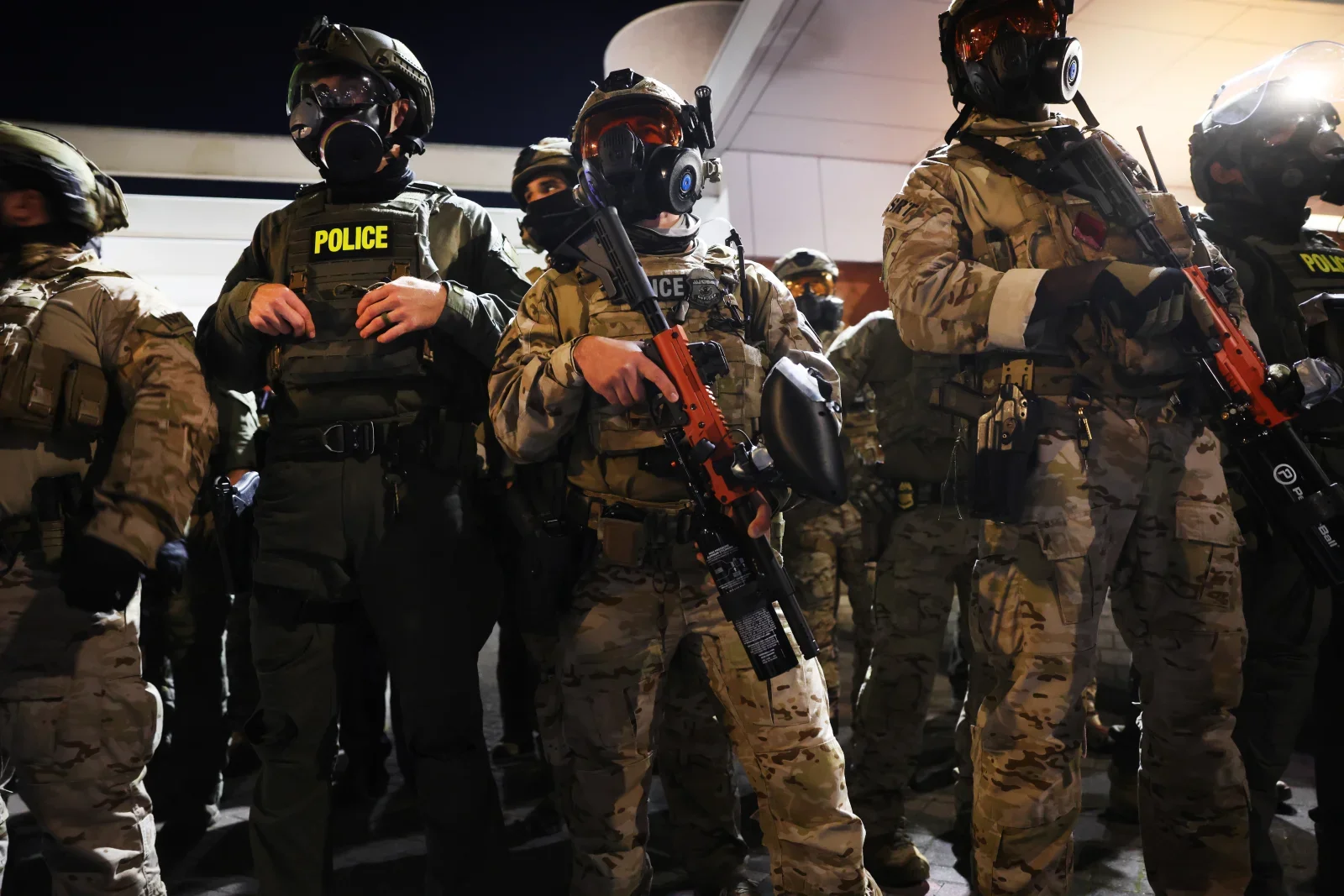
DHS Agents deployed in 2026
That fear never stayed in politics. It showed up in paychecks and on Main Street. When federal agents surged into Minnesota, workers stayed home rather than risk being stopped on the way to a job, and the restaurants and small businesses that depend on them cut hours or closed their doors. As the country lurched into military action against Iran and Venezuela, prices at the pump moved with every headline, and families felt it at the grocery store too. When National Guard units were sent to patrol American cities, the citizen soldiers in them left behind civilian jobs, employers and families in their own communities. A politics built on division always sends the bill to the same place: the kitchen table. Hate is expensive, and ordinary Americans are the ones who pay for it.
So we started organizing. What surprised me was how many others had already begun.
In Georgia, I watched election workers, pastors, lawyers, and neighbors form their own groups and planning tables without waiting for anyone in Washington to tell them what to do. In Pennsylvania and Ohio, faith communities and local civic groups were already standing up to protect their neighbors’ right to vote. Across the country, people in very different places looked at the same problem and reached the same conclusion: if Americans want their elections to stay free and fair, Americans have to show up.
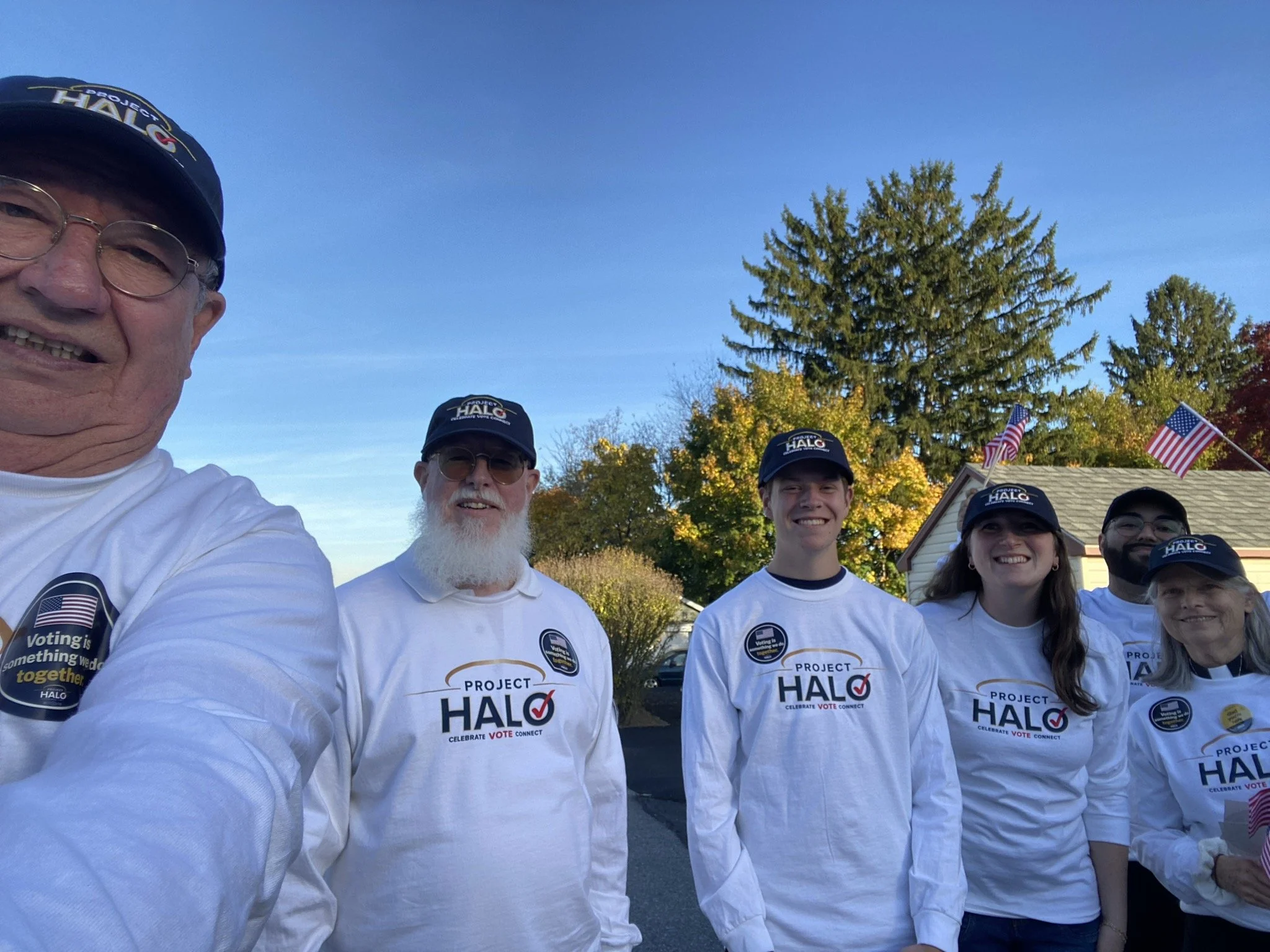
HALO Volunteers in Pennsylvania
I have seen this once before. In August 2021, when Kabul fell, thousands of veterans, aid workers, and everyday Americans who had never met organized flights, found homes for families fleeing for their lives, and pressed their own government to keep its word. Nobody had a plan. Nobody was in charge. The work got done because people who did not know each other decided to trust each other.
That effort did not win everything it set out to win. Too many of our Afghan allies are still waiting. But the people who answered that call never stopped working together, and that network has proven more durable than any single outcome.
The same thing happened this year, and it is easy to miss because it did not come from the top. There was no national command post. There was a church hosting a cookout near a polling site, a librarian lending a community room, a retired master sergeant in Ohio and a former Navy captain in Pennsylvania standing outside polling places so their neighbors could vote without fear. You only see the full picture when you step back far enough to notice how much of it was happening at once.
For years, it has felt like the work of the nation was handed down from the top: by Washington, by the courts, by whoever holds power. This year, Americans offered a different answer. Neighbors answered the call to strengthen this country by showing up for one another. They did not need permission, and they did not wait for instructions.
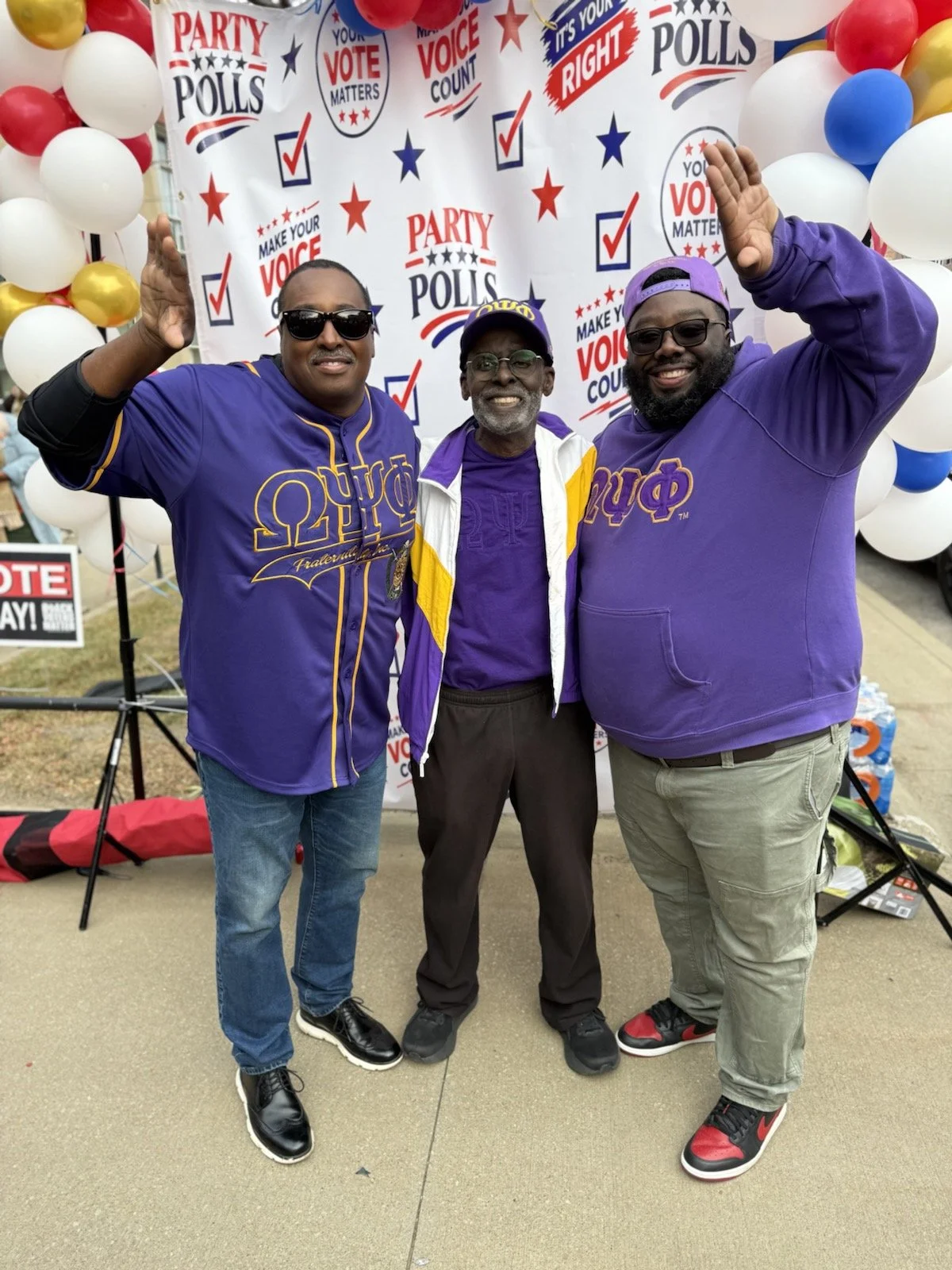
HALO Volunteers in Michigan
But the work is not over
The danger now is that all of this fades. It is tempting to celebrate the outcome of an election and move on, and when that happens, the relationships built over the past year quietly come apart. That would be a waste of the most hopeful thing I have seen in a long time.
Americans have a lot of work to do to repair the fractures that have wrecked this country over the last few decades. Years of division must be mended, and this election season was just the first step on a long journey to make our country whole again.
First, we have to commit to keeping our elections free and fair long after the polls close. Yesterday proved that ordinary people can protect the ballot box when they choose to. But election offices across the country are short on poll workers and long on threats against the people who run them. Sign up to work the polls in 2027. Go to your county election board’s meetings and learn who counts your vote and what they need to do it well. Stand up for the clerks and volunteers who make the whole thing work, and make it known in your community that harassing them is unacceptable.
Second, we have to commit to a civic culture that rejects political violence in every form. That does not mean agreeing with each other for the sake of agreement. Americans should argue, loudly and often. That is how a free people govern themselves. What we cannot accept is where decades of culture war have taken us: a politics where opponents become enemies, where threats against officials are routine, and where violence has become something too many people shrug at or quietly cheer. Refuse to share the post that calls your neighbors traitors. Call it out when it comes from your own side, because that is the only time it really counts. Sit across the table from someone who sees the world differently and leave with your disagreements intact and your respect for each other stronger.
Third, we have to commit to rebuilding institutions that actually work for the people they serve. Too many Americans have watched the factories close, the main streets empty out, and the people in charge grow more distant from everyone else. They concluded the system was built for someone else, and that belief was earned. Rebuilding trust means rebuilding an economy where a paycheck covers a life, where a kid from a small town or a city block has a real shot, and where effort leads somewhere. That happens only if citizens engage at every level, consistently: the city council, the school board, the county commission, the statehouse, and Washington.
We have an opportunity to rebuild this country over the next few years, and Americans have shown they are ready to turn the page on the hate and fear that divided us and drained our wallets. But turning a page is not the same as writing the next chapter. That work belongs to us. The people who set up those folding tables yesterday did not wait for permission to make their communities stronger, and neither should the rest of us. This country will not be repaired in Washington. It is being repaired in public libraries, church fellowship halls and school gyms, by neighbors who decided it was theirs to fix. Go join them.
